African debt: when interest costs more than health
In 2023, 30 of 49 African countries spent more on interest on their debt than on public health. How did we get here, and what solutions are on the table?
Debt is not evil in itself: borrowing to build a road, a power plant or a university can create more wealth than the loan costs. The problem starts when repayments swallow the resources that should be funding the future. That is the situation in much of the continent.
The worrying numbers
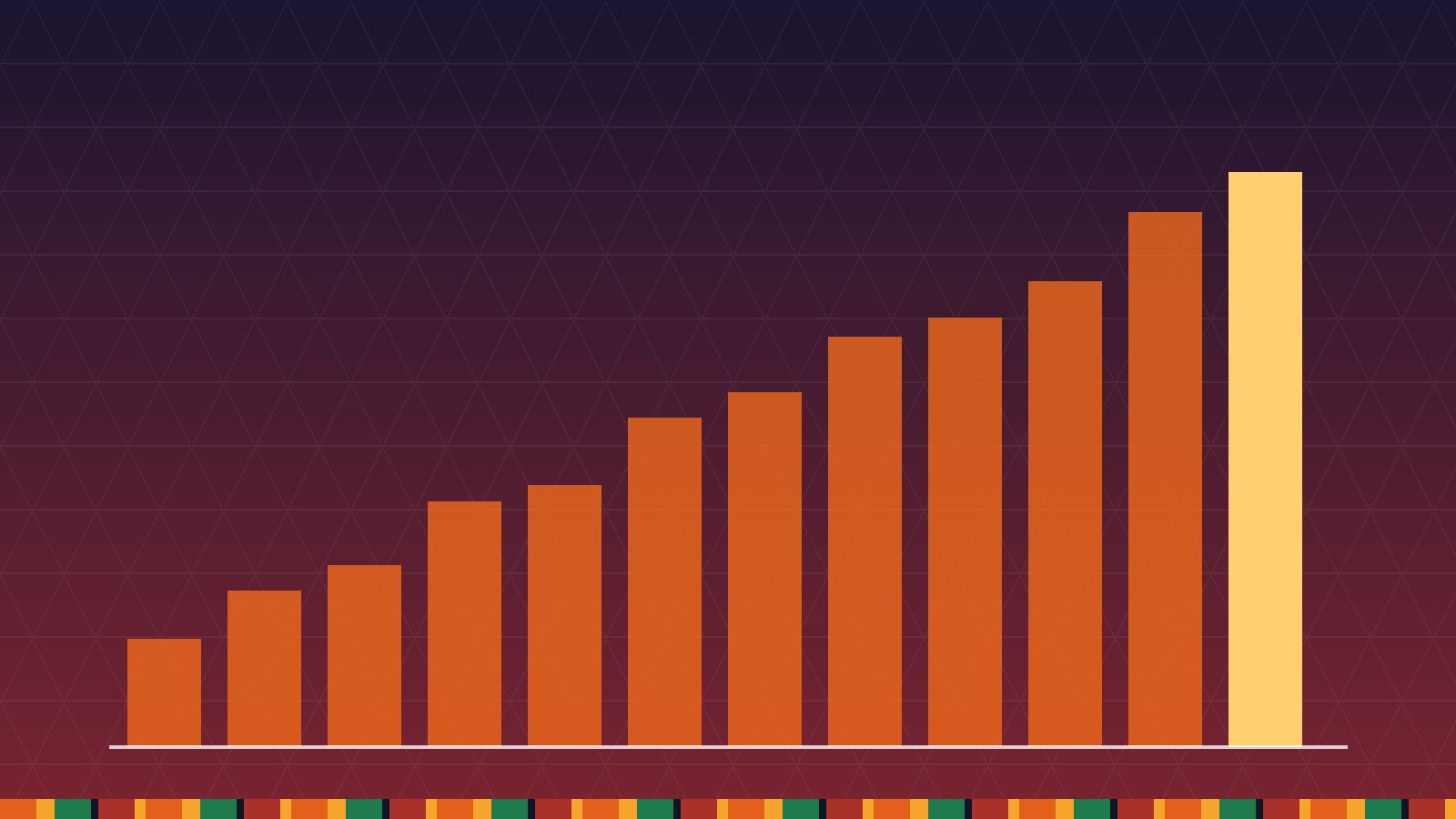
- Interest payments absorbed 16.7% of government revenue in Africa in 2023 — the highest share of any developing region, and 10 points more than in 2010.
- In Egypt, interest can reach almost 75% of revenue. Nigeria, Ghana, Malawi and Kenya are around 30%.
- In 2023, for the first time, African governments spent more on interest than on education.
- External debt service took 14.8% of export earnings in 2023, up from 4.5% in 2011.
Why Africa pays more
Between 2020 and 2024, African sovereign bonds yielded around 9.8% on average, while Germany borrowed at under 1%. Part of the gap reflects real risks (instability, commodity dependence, low tax revenue). But many African economists also point to a “perception premium”: rating agencies and markets allegedly overstate African risk compared with similar countries elsewhere.
The make-up of the debt has also changed. Private creditors — investment funds holding Eurobonds — accounted for 25% of external public debt in 2023, up from 12% in 2008. These creditors are more numerous, more expensive and harder to bring to the table in restructurings. China has also become a major bilateral lender since the 2000s.
A closing trap
When a growing share of revenue goes to interest, governments cut investment in health, education and infrastructure — precisely what would allow them to grow and repay later. Recent shocks (the pandemic, the war in Ukraine, rising US interest rates) have deepened this vicious circle. Zambia and Ghana defaulted and went through long restructurings.
External responsibilities
- Borrowing costs above the global average.
- Global shocks (interest rates, commodity prices).
- Slow and unbalanced restructuring mechanisms.
Domestic responsibilities
- Low tax revenue, exemptions and tax evasion.
- Borrowed-money projects that are sometimes unprofitable or overpriced.
- Lack of transparency on some loan contracts.
Possible solutions
- Mobilise domestic resources: broaden the tax base, fight illicit financial flows, renegotiate mining contracts.
- Reform the financial architecture: faster restructurings under the G20 “Common Framework”, payment-pause clauses after climate disasters.
- Build African tools: Afreximbank, the African Development Bank, the proposed African credit rating agency, and the PAPSS pan-African payment system to reduce dependence on the dollar.
- Demand transparency: publish every loan contract so citizens and parliaments can scrutinise them.
Understanding debt means understanding where public money goes. It is a civic question, not just a technical one.